




Masumiyet Müzesi
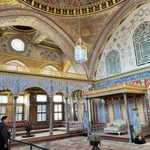
Orhan Pamuk’un Masumiyet Müzesi adlı romanından yola çıkılarak oluşturulan Masumiyet Müzesi, edebiyat ile müzecilik arasında farklı bir ilişki kurmaktadır. İstanbul’un Çukurcuma semtinde bulunan müze, romanda anlatılan olayları ve karakterleri nesneler aracılığıyla görünür hâle getirmektedir. Bu yönüyle klasik müzelerden ayrılan yapı, gerçek bir koleksiyon sunmanın ötesinde, edebî bir kurgunun fiziksel mekâna dönüştürülmesiyle dikkat çekmektedir.
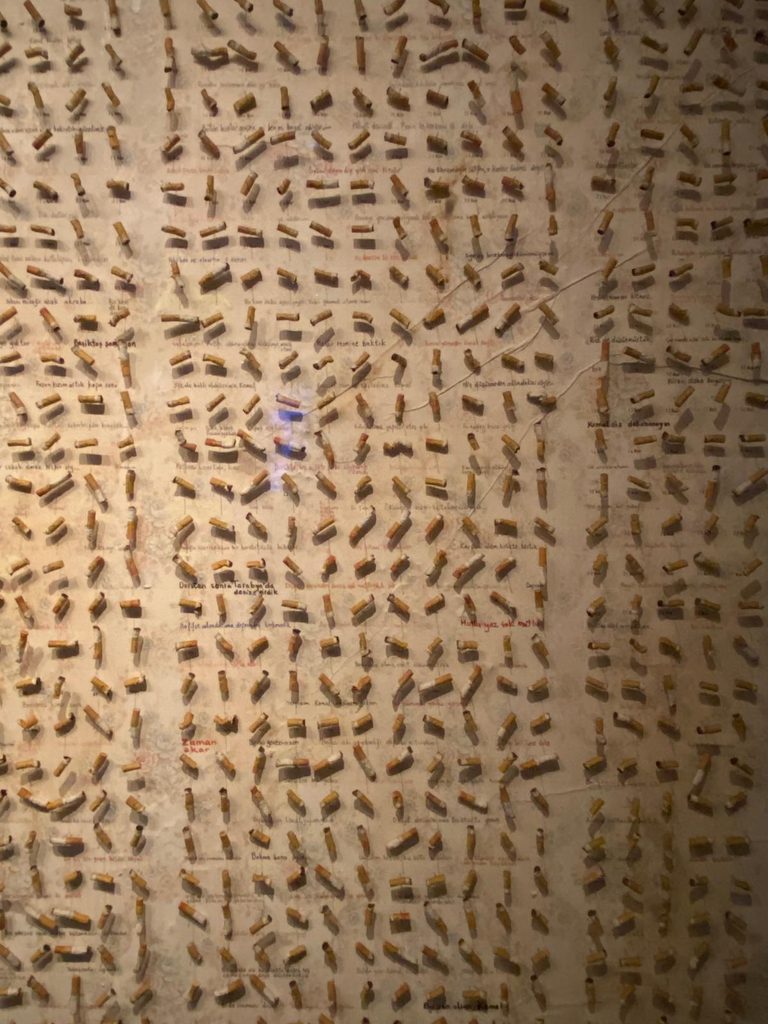
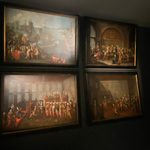
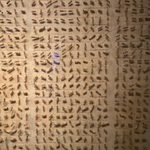
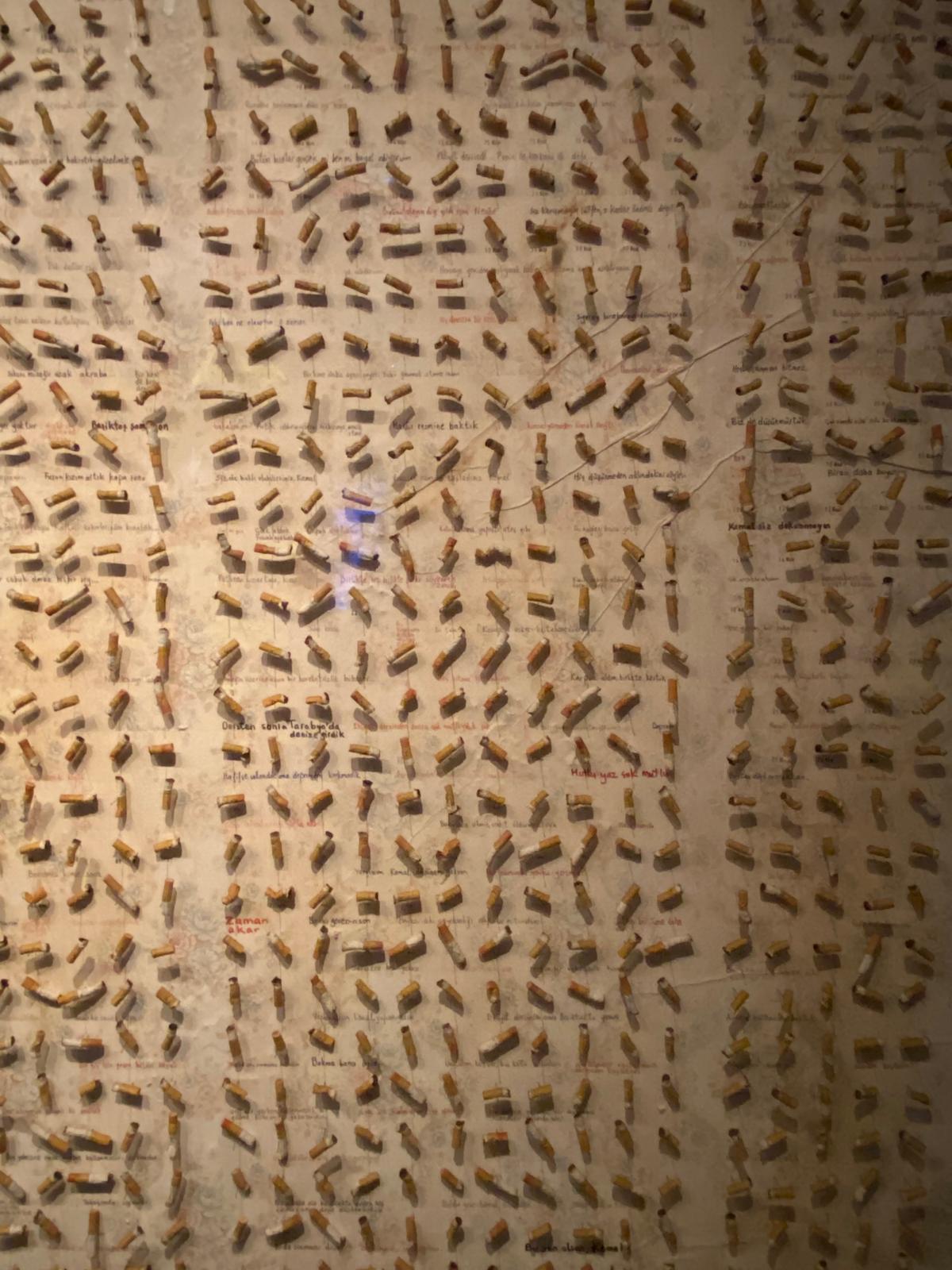
Müzenin içerisinde fotoğraflar, kıyafetler, mutfak eşyaları, takılar ve sigara izmaritleri gibi çok sayıda nesne bulunmaktadır. Bu eşyalar, romanın başkahramanı Kemal’in Füsun’a duyduğu aşkı, geçmişe bağlılığını ve yaşadığı duygusal süreci temsil edecek şekilde düzenlenmiştir. Özellikle sigara izmaritlerinin sergilendiği bölüm, sıradan bir nesnenin kişisel bir anı aracılığıyla nasıl anlam kazanabileceğini göstermektedir. Vitrinler, romanın bölümleriyle ilişkilendirilerek hazırlanmış ve ziyaretçinin hikâyeyi nesneler üzerinden takip etmesine olanak sağlayacak biçimde düzenlenmiştir.
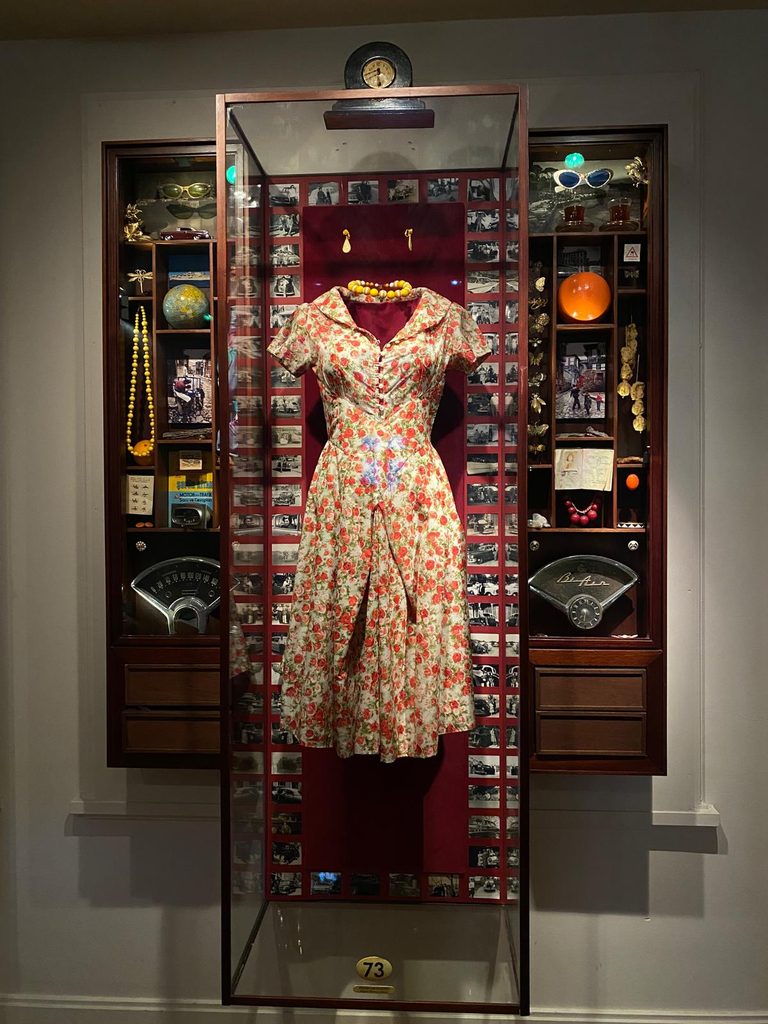
Müzenin en dikkat çekici özelliği, gerçek ile hayal arasındaki sınırın belirsizleşmesidir. Sergilenen nesnelerin bazıları gerçek hayattan alınmışken bazıları romanın kurgusal dünyasını tamamlamak amacıyla oluşturulmuştur. Dolayısıyla müze, yalnızca geçmişten kalan eşyaların sergilendiği bir yer değildir. Aynı zamanda hiç yaşanmamış bir hikâyenin yaşanmışlık hissi uyandıracak şekilde yeniden kurulmasıdır. Ziyaretçi, karşısındaki nesneleri incelerken bunların gerçek bir hayatın izleri mi yoksa bir yazarın hayal gücünün ürünü mü olduğunu düşünmeye yönelir.
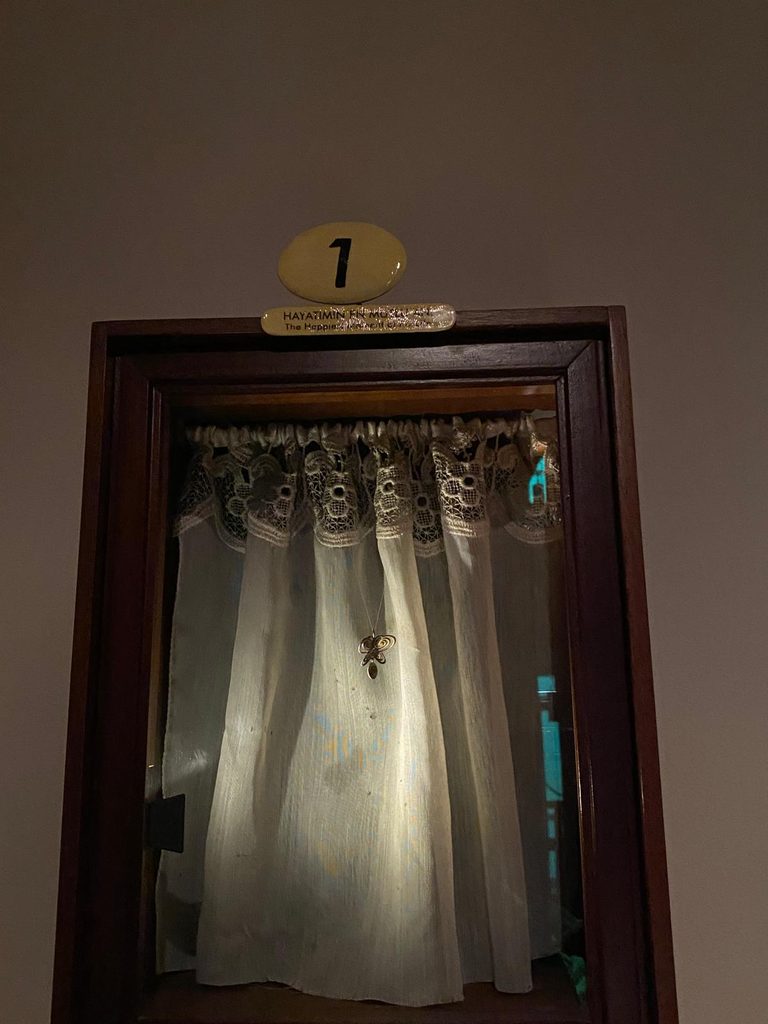
Masumiyet Müzesi, sanatın yalnızca resim, heykel veya geleneksel sergileme biçimleriyle sınırlı olmadığını göstermesi bakımından da önemlidir. Orhan Pamuk, romanında anlattığı dünyayı nesneler, vitrinler ve mekânsal düzenlemeler aracılığıyla yeniden üretmiştir. Böylece edebî anlatı, okuyucunun zihninde canlanan bir hikâyeden çıkarak ziyaretçinin fiziksel olarak deneyimleyebildiği bir yapıya dönüşmüştür.
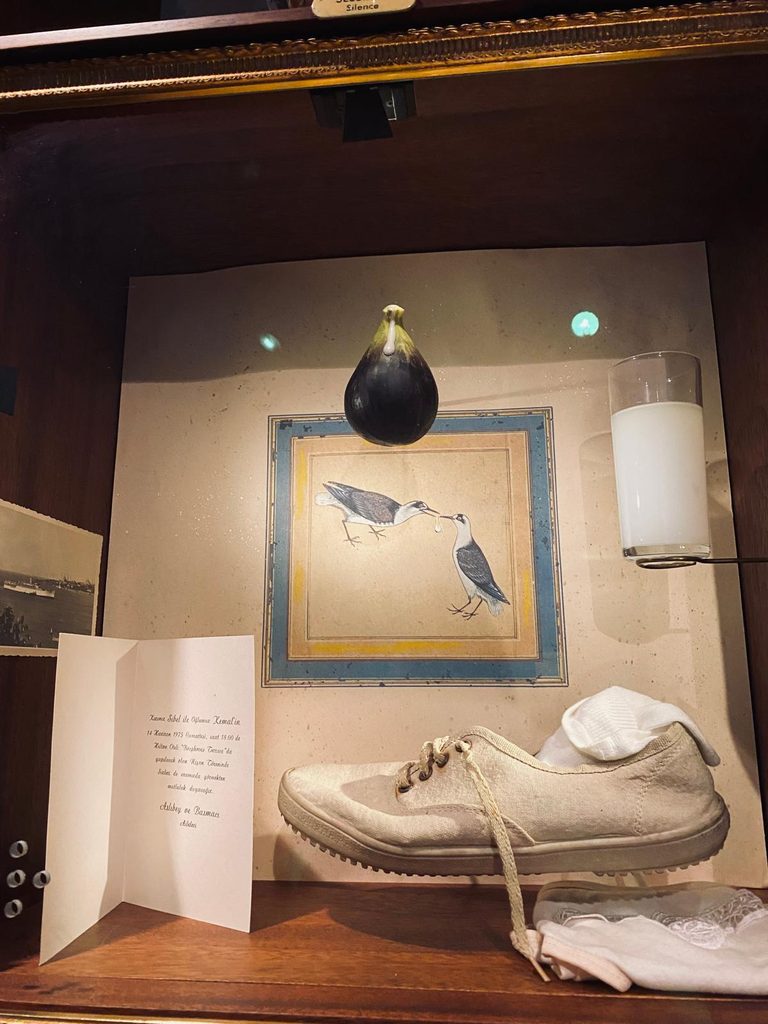
Sonuç olarak Masumiyet Müzesi, gerçek nesnelerle kurgusal unsurları bir araya getiren özgün bir sanat ve edebiyat projesidir. Müzenin asıl önemi, romandaki hikâyeyi yalnızca açıklamak değil, o hikâyenin dünyasını somutlaştırarak ziyaretçiye farklı bir deneyim sunmaktır. Bu yönüyle müze, hayal gücünün nesneler aracılığıyla nasıl görünür hâle getirilebileceğini ortaya koymaktadır.
The Museum of Innocence, created based on Orhan Pamuk’s novel of the same name, establishes a distinctive relationship between literature and museology. Located in the Çukurcuma district of Istanbul, the museum brings the events and characters described in the novel to life through objects. In this respect, it differs from traditional museums by transforming a fictional narrative into a physical space rather than simply presenting a collection of historical objects.
The museum contains numerous objects, including photographs, clothing, kitchen utensils, jewelry, and cigarette butts. These objects are arranged to represent the love of Kemal, the novel’s main character, for Füsun, his attachment to the past, and his emotional journey. In particular, the section displaying cigarette butts demonstrates how an ordinary object can gain meaning through personal memories. The display cases are organized in connection with the chapters of the novel, allowing visitors to follow the story through the objects.
One of the most remarkable features of the museum is the blurred boundary between reality and imagination. While some of the exhibited objects come from real life, others have been created to complete the fictional world of the novel. Therefore, the museum is not simply a place where objects from the past are displayed. It is also a reconstruction of a story that never actually happened, presented in a way that creates a sense of reality. As visitors examine the objects, they are encouraged to consider whether what they see represents traces of a real life or the product of an author’s imagination.
The Museum of Innocence is also significant because it demonstrates that art is not limited to painting, sculpture, or traditional exhibition methods. Orhan Pamuk has recreated the world described in his novel through objects, display cases, and spatial arrangements. In this way, a literary narrative moves beyond a story imagined in the reader’s mind and becomes an experience that visitors can physically explore.
In conclusion, the Museum of Innocence is a unique art and literature project that brings real objects together with fictional elements. Its main significance lies not merely in explaining the story of the novel but in making its fictional world tangible and offering visitors a different kind of experience. In this respect, the museum demonstrates how imagination can be made visible through objects.
Masumiyet Müzesi. (t.y.). Masumiyet Müzesi. Google Arts & Culture. https://artsandculture.google.com/story/KAVxIqBekvaEKw?hl=tr
https://share.google/A4eFvRFIyxEXiQaT4
Share this content:



Yorum gönder