









Yapı Kredi Sikke Koleksiyonu
Yapı Kredi Müzesi’nde sergilenen sikkeler, farklı dönemlerde yaşamış toplumların tarihini ve kültürünü anlamak açısından dikkat çekici örnekler sunmaktadır. Lidya, Pers, Antik Yunan, Roma ve Bizans dönemlerinden İslam devletlerine, Osmanlı İmparatorluğu’na kadar uzanan sikke geleneği, paranın zaman içerisinde geçirdiği değişimi ortaya koymaktadır. Bu örnekler, geçmişte para kullanımının yanı sıra devletlerin kendilerini nasıl temsil ettiklerini anlamak açısından da önemlidir.
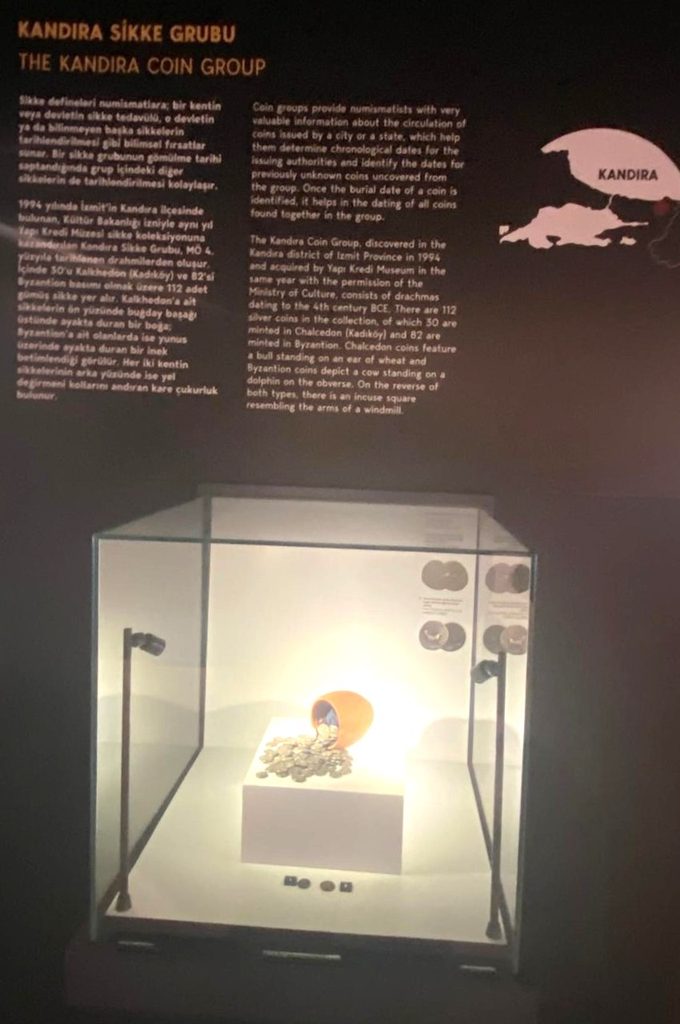
Sikkelerin üzerindeki figürler ve yazılar incelendiğinde, her dönemin kendine özgü izleri görülmektedir. Lidya sikkelerindeki aslan figürü, Antik Yunan sikkelerindeki tanrı ve mitoloji tasvirleri, Roma ve Bizans dönemlerindeki hükümdar portreleri farklı anlatım biçimlerini yansıtmaktadır. Osmanlı sikkelerinde ise padişahın adı ve çeşitli yazılar ön plana çıkmaktadır. Bu ayrıntılar, sikkelerin yalnızca ekonomik yaşamın bir parçası olmadığını, aynı zamanda siyasi gücün ve dönemin değerlerinin aktarılmasında da kullanıldığını göstermektedir.
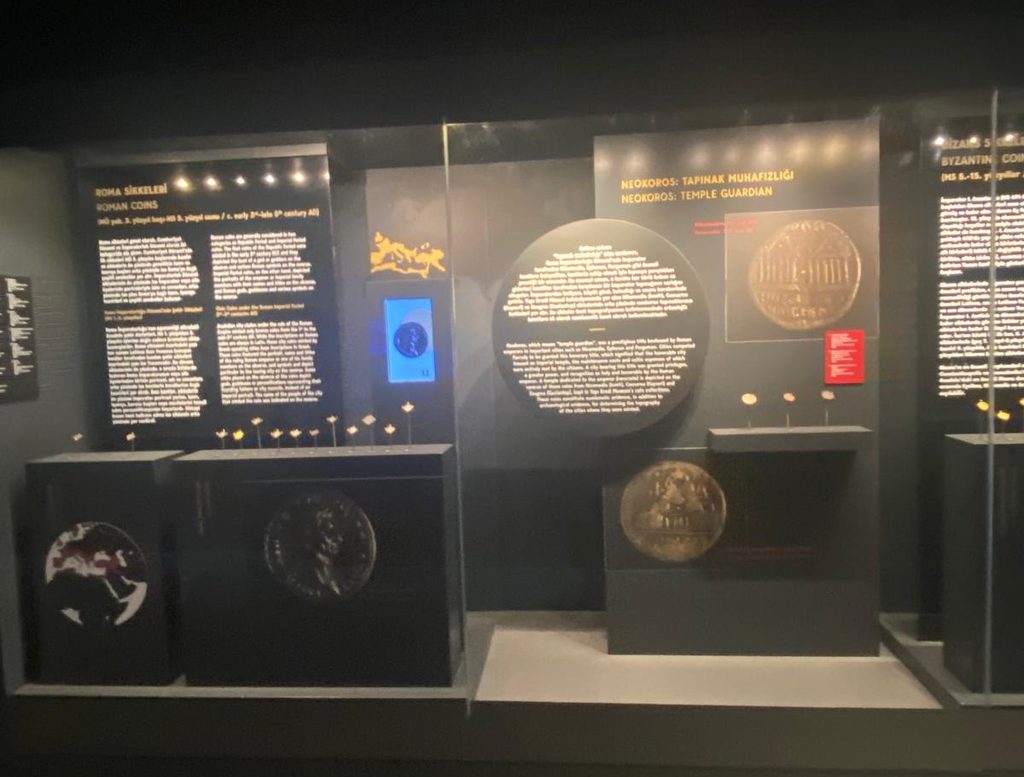
Sikkeleri sanat açısından ilgi çekici kılan noktalardan biri, küçük bir metal yüzey üzerinde bu kadar çok ayrıntının işlenebilmesidir. Figürlerin biçimi, yazıların yerleşimi ve kullanılan semboller, dönemin teknik imkânları hakkında da fikir vermektedir. Farklı dönemlere ait örnekleri bir arada incelemek, görsel anlatımın zaman içinde nasıl değiştiğini gözlemlemeyi mümkün kılmaktadır.
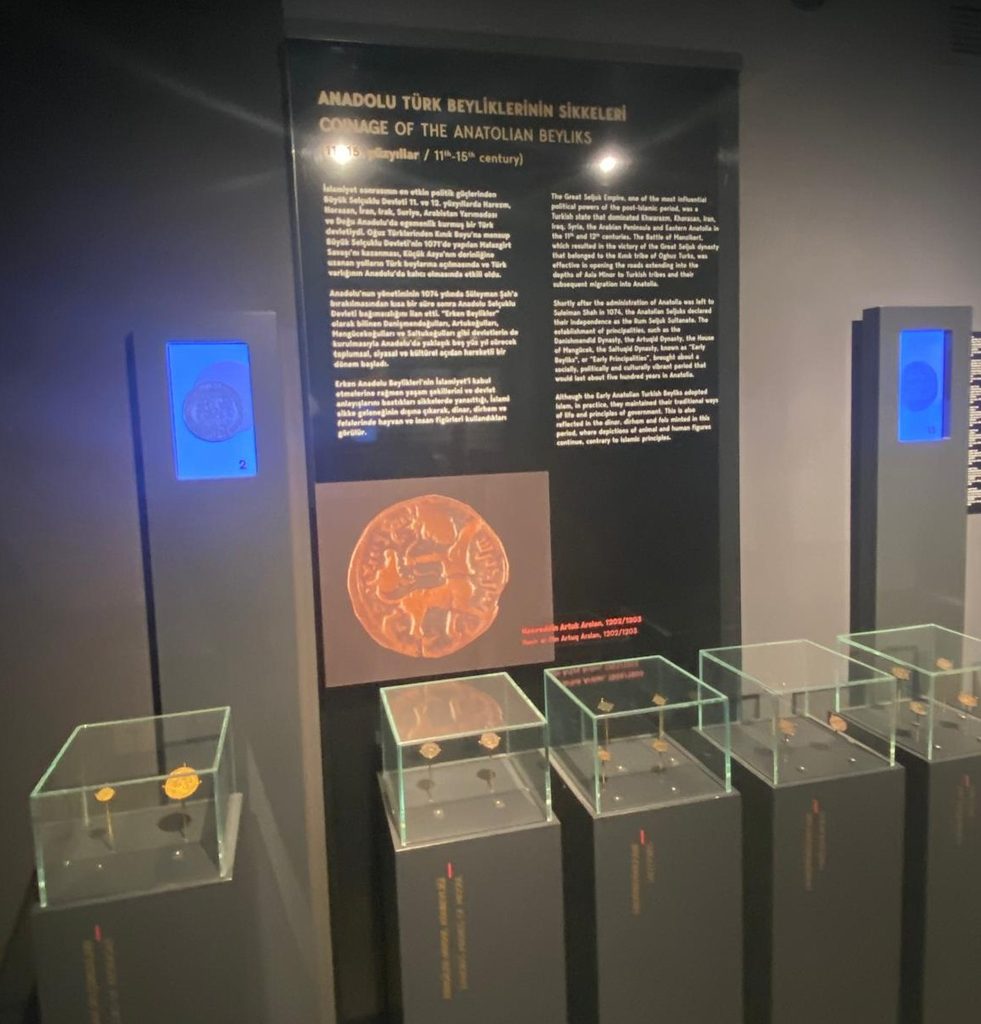
Bu koleksiyon, gündelik yaşamda kullanılan bir nesnenin tarihsel süreç içerisinde nasıl bir kültür ve sanat unsuruna dönüşebildiğini göstermektedir. Sikkeler, üzerlerindeki küçük ayrıntılar aracılığıyla geçmiş toplumların yaşamına, inançlarına ve yönetim anlayışlarına dair önemli izler taşımaktadır.
The coins exhibited at Yapı Kredi Museum offer remarkable examples for understanding the history and culture of societies that lived in different periods. The tradition of coinage, extending from the Lydian, Persian, Ancient Greek, Roman, and Byzantine periods to Islamic states and the Ottoman Empire, reveals how money has changed over time. These examples are important not only for understanding the use of money in the past but also for exploring how states represented themselves.
When the figures and inscriptions on the coins are examined, distinctive features of each period become visible. The lion motif on Lydian coins, depictions of gods and mythology on Ancient Greek coins, and portraits of rulers from the Roman and Byzantine periods reflect different forms of visual expression. On Ottoman coins, the sultan’s name and various inscriptions come to the fore. These details demonstrate that coins were not merely part of economic life; they were also used to communicate political power and the values of their time.
One aspect that makes coins particularly interesting from an artistic perspective is the amount of detail that can be engraved onto such a small metal surface. The forms of the figures, the placement of inscriptions, and the symbols used also provide insight into the technical capabilities of each period. Examining examples from different eras side by side makes it possible to observe how visual expression has evolved over time.
This collection demonstrates how an object used in everyday life can become an element of culture and art throughout history. Through the small details they carry, coins preserve significant traces of the lives, beliefs, and systems of governance of past societies.
Yapı Kredi. (t.y.). Sikke koleksiyonu. https://www.yapikredi.com.tr/yapi-kredi-hakkinda/kultur-ve-sanat/sikke-koleksiyonu
https://share.google/Jlzb5OBbJnfh8HTHN
Share this content:

Yorum gönder