

Maddenin Hafızası: Åsa Jungnelius – Toprak, Ateş, Su ve Havayla Yazılmış Bir Dize
Bir sanat eserini anlamak için her zaman onun neyi temsil ettiğini bilmek gerekir mi? Bazen malzemenin kendisi, geçirdiği dönüşüm ve taşıdığı izler, kelimelerden çok daha fazlasını anlatmaktadır. Pera Müzesi’nin 16 Eylül 2025 – 8 Şubat 2026 tarihleri arasında düzenlediği, Elif Kamışlı küratörlüğündeki Toprak, Ateş, Su ve Havayla Yazılmış Bir Dizebaşlıklı dijital sergi, beni özellikle bu düşünce üzerinde durmaya yöneltti. İsveçli sanatçı Åsa Jungnelius’un Türkiye’deki ilk kişisel sergisi olan seçki, cam ve mermer üzerinden insan ile madde arasındaki ilişkiyi ele almaktadır.
1975 doğumlu Jungnelius, Stockholm’deki Konstfack Sanat, El Sanatları ve Tasarım Üniversitesi’nde yüksek lisans eğitimini 2004 yılında tamamlamıştır. Özellikle cam sanatı alanındaki üretimleriyle tanınan sanatçı, yıllar içerisinde tasarım ile çağdaş sanat arasındaki sınırları araştıran bir yaklaşım geliştirmiştir. Üretimlerinde beden, kimlik, arzu ve tüketim kültürü gibi kavramlara odaklanan Jungnelius, malzemeyi yalnızca biçim verilen bir nesne olarak değil, toplumsal ve tarihsel anlamlar taşıyan bir unsur olarak değerlendirmektedir. Kosta Boda ile yürüttüğü çalışmalar ve İsveç’teki bağımsız cam atölyesi de cam üretimiyle kurduğu uzun soluklu ilişkinin önemli parçalarını oluşturmaktadır
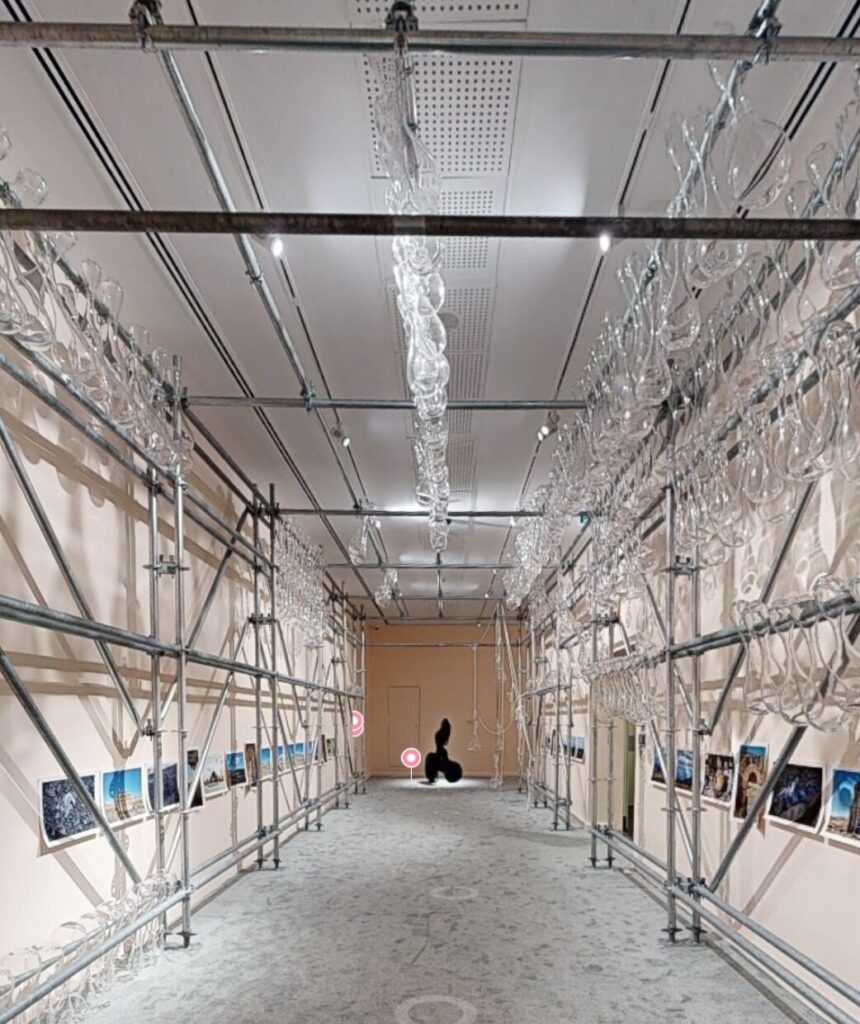
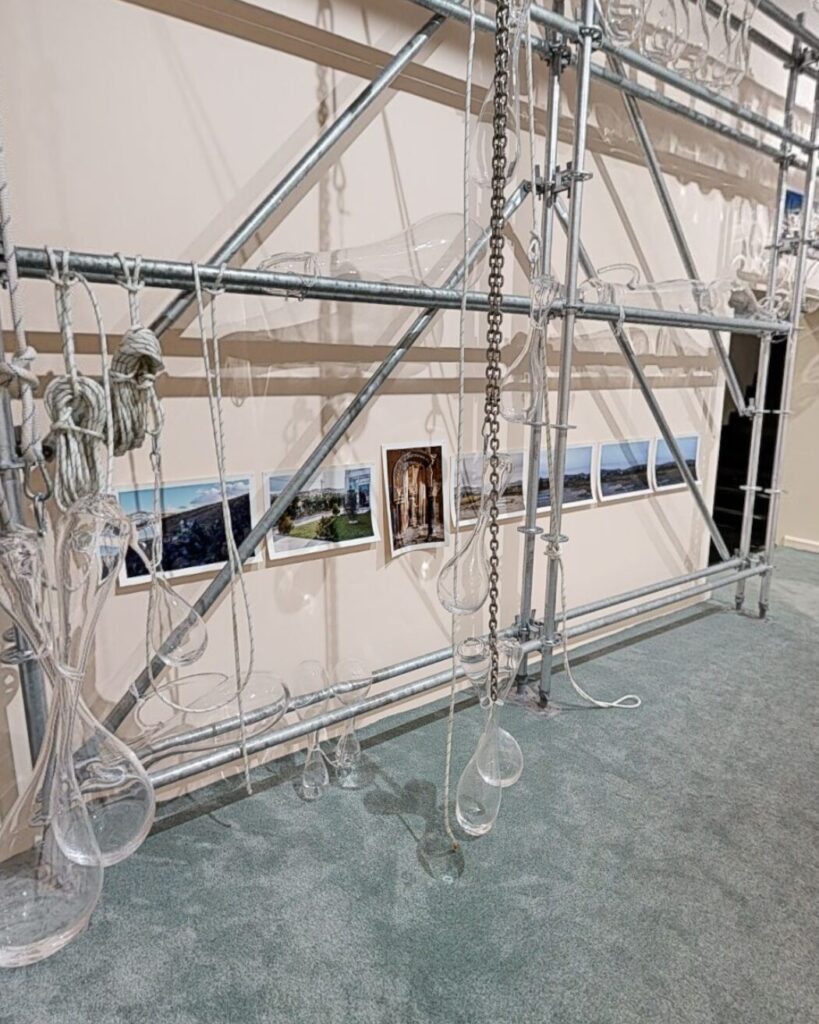
Serginin düşünsel çerçevesi, adında geçen dört element üzerinden şekillenmektedir: toprak, ateş, su ve hava. Ancak burada doğa unsurları yalnızca simgesel birer kavram olarak karşımıza çıkmamaktadır. Camın ateşle eritilmesi, ustanın nefesiyle biçim kazanması ve soğuyarak katılaşması, malzemenin dönüşümünü görünür kılmaktadır. Mermer ise oluşumu ve dayanıklılığıyla daha uzun bir jeolojik zamanı hatırlatmaktadır. Jungnelius’un Denizli’deki cam ustalarıyla birlikte sergi için ürettiği yeni eserler, sanatçının bireysel üretimini geleneksel zanaat bilgisiyle buluşturmaktadır. Doğu Anadolu’daki obsidyen alanlarına ait fotoğraflar, arkeolojik buluntular ve tarihî cam objeler de bu anlatıya eklenerek geçmiş ile bugün arasında bir bağ kurulmaktadır. Beni bu yaklaşımda etkileyen, bir malzemenin yalnızca fiziksel özellikleriyle değil, insan emeğinin ve zamanın taşıyıcısı olarak da ele alınmasıdır.
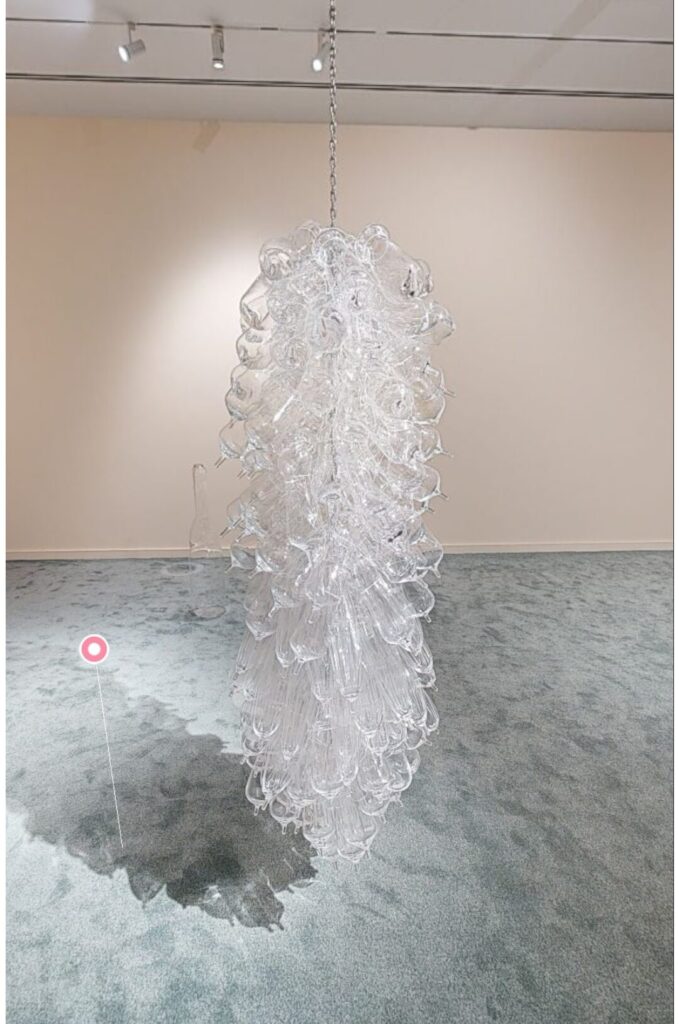
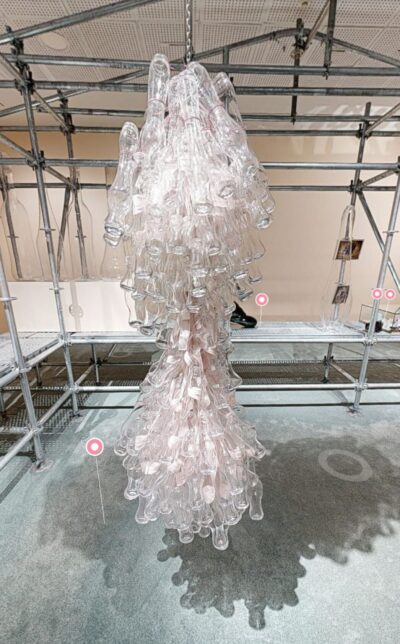
Sergide özellikle dikkatimi çeken eserlerden biri, 2025 tarihli Mother [Breath I] adlı çalışmadır. Metal zincirler, ipler ve karabinalarla bir araya getirilen el üflemesi camdan oluşan bu eser, yaklaşık 175 santimetrelik boyutuyla bedensel bir varlık hissi uyandırmaktadır. Camın kırılganlığı ile onu taşıyan ve sabitleyen endüstriyel parçalar arasındaki karşıtlık, esere gerilimli bir karakter kazandırmaktadır. Eserin adındaki “nefes” kavramı da camın oluşum sürecini ve insanın yaşamla kurduğu ilişkiyi birlikte düşündürmektedir. Görünmeyen bir nefesin, cam gibi somut ve kırılabilir bir maddeye biçim vermesi, eserin şiirsel yönünü güçlendirmektedir.
Dijital ortamda gezdiğim bu sergide benim için asıl değerli olan, eserleri yalnızca biçimsel açıdan incelemek yerine üretim süreçlerini ve taşıdıkları tarihsel katmanları da düşünebilmekti. Jungnelius’un yaklaşımı, sanat ile zanaat arasındaki ilişkinin yanı sıra insanın doğayla ve malzemeyle kurduğu bağı da sorgulamaktadır. Serginin bir dijital deneyim olarak sunulması, fiziksel mekânın atmosferini bütünüyle yaşatmasa da eserleri farklı bir dikkatle incelememe olanak tanıdı. Bazen bir malzemenin hikâyesini anlamak, esere yeniden bakmak için yeterli bir başlangıç oluşturmaktadır.
The Memory of Matter: Åsa Jungnelius – A Poem Written with Earth, Fire, Water, and Air
Is it always necessary to know what a work of art represents in order to understand it? Sometimes, the material itself, its transformation, and the traces it carries can tell us far more than words ever could. The digital exhibition A Poem Written with Earth, Fire, Water, and Air, presented by Pera Museum between September 16, 2025, and February 8, 2026, and curated by Elif Kamışlı, led me to reflect particularly on this idea. As Swedish artist Åsa Jungnelius’s first solo exhibition in Türkiye, the show explores the relationship between humans and matter through glass and marble.
Born in 1975, Jungnelius completed her master’s degree at Konstfack University of Arts, Crafts and Design in Stockholm in 2004. Known particularly for her work in glass art, the artist has developed an approach over the years that explores the boundaries between design and contemporary art. Focusing on concepts such as the body, identity, desire, and consumer culture, Jungnelius approaches materials not merely as objects to be shaped, but as elements that carry social and historical meanings. Her collaborations with Kosta Boda and her independent glass studio in Sweden are also important aspects of her long-standing relationship with glassmaking.
The conceptual framework of the exhibition is shaped around the four elements mentioned in its title: earth, fire, water, and air. Here, however, these elements of nature do not appear merely as symbolic concepts. The melting of glass through fire, its transformation through the craftsperson’s breath, and its solidification as it cools all make the material’s transformation visible. Marble, on the other hand, evokes a much longer geological timescale through its formation and durability. The new works Jungnelius created for the exhibition in collaboration with glass artisans in Denizli bring the artist’s individual practice into dialogue with traditional craftsmanship. Photographs of obsidian sites in Eastern Anatolia, archaeological finds, and historical glass objects further enrich this narrative, establishing a connection between the past and the present. What particularly struck me about this approach was the way a material is considered not only in terms of its physical properties, but also as a carrier of human labor and time.
One of the works that particularly caught my attention was Mother [Breath I] (2025). Composed of hand-blown glass elements assembled using metal chains, ropes, and carabiners, the work creates a strong sense of physical presence with its approximately 175-centimeter height. The contrast between the fragility of glass and the industrial components that support and secure it gives the work a sense of tension. The concept of “breath” in its title also invites us to consider both the process of glassmaking and the relationship between human beings and life. The idea that an invisible breath can give form to a tangible and breakable material such as glass enhances the poetic dimension of the work.
What I found most valuable about exploring this exhibition in a digital environment was the opportunity to consider not only the formal qualities of the works, but also their production processes and the historical layers they embody. Jungnelius’s approach questions not only the relationship between art and craft, but also the connection humans establish with nature and materials. Although presenting the exhibition as a digital experience cannot fully convey the atmosphere of a physical space, it allowed me to examine the works with a different kind of attention. Sometimes, understanding the story of a material is enough to offer a starting point for looking at a work of art anew.
- İnternet Adresi/Internet Address: https://www.peramuzesi.org.tr/3b-tur/asa-jungnelius/
Kaynakça /References
• Åsa Jungnelius. Biography and CV. https://asajungnelius.se/biography/
• Galleri Glas. Åsa Jungnelius – Biography. https://www.galleriglas.se/en/artists/67-asa-jungnelius/biography/
• Pera Müzesi. Åsa Jungnelius: A Verse, Written with Earth, Fire, Water, and Air.https://www.peramuseum.org/exhibition/asa-jungnelius/1317
Share this content:

Yorum gönder