






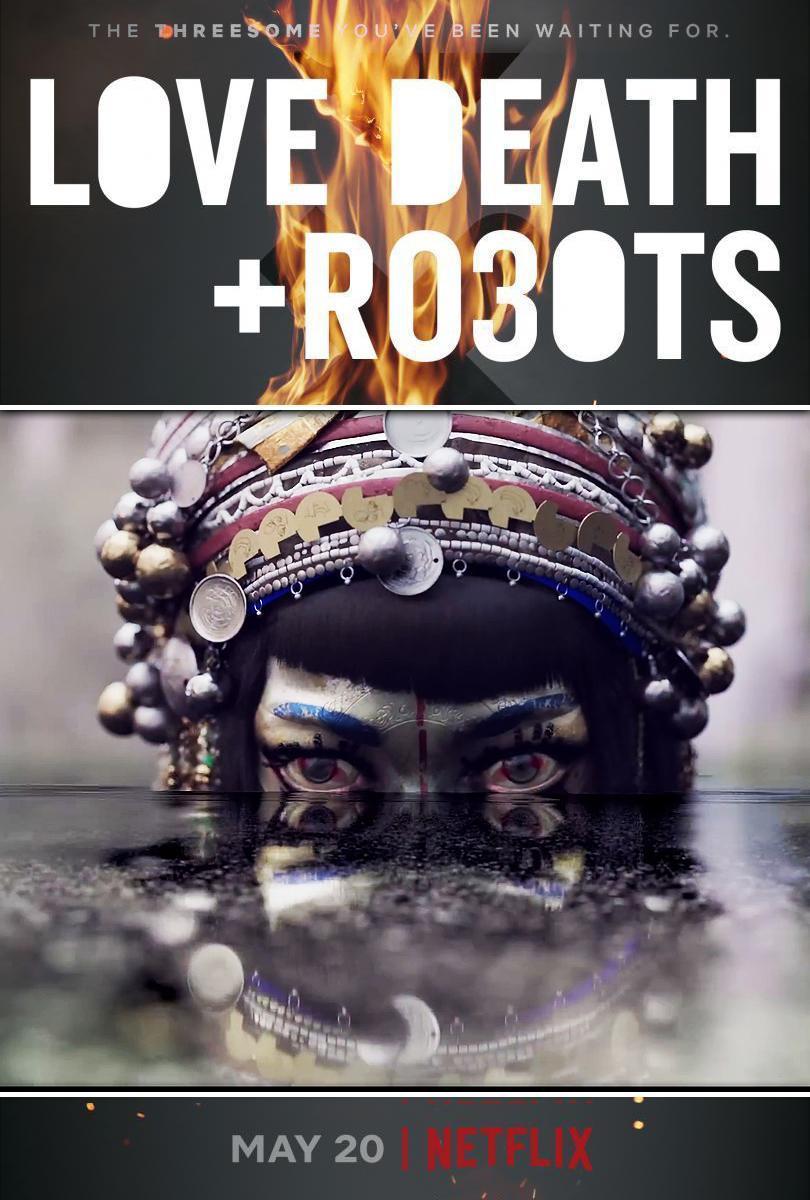
Jibaro: Arzunun ve Sömürünün Hikâyesi
Love, Death + Robots | 3. Sezon, 8. Bölüm | 2022
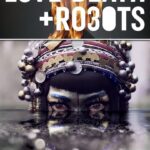
Alberto Mielgo’nun yönetmenliğini ve senaristliğini üstlendiği Jibaro, Netflix’in Love, Death + Robots antoloji serisinin üçüncü sezonunda yer alan, görsel anlatımı ve sembolik diliyle öne çıkan kısa bir animasyondur. Yaklaşık 17 dakika süren yapım, geleneksel bir anlatıdan ziyade beden hareketleri, ses, renk ve imgeler aracılığıyla izleyiciye ulaşır. Diyalogların neredeyse hiç kullanılmadığı bu anlatıda, her görsel unsur hikâyenin anlam katmanlarından birine dönüşür.
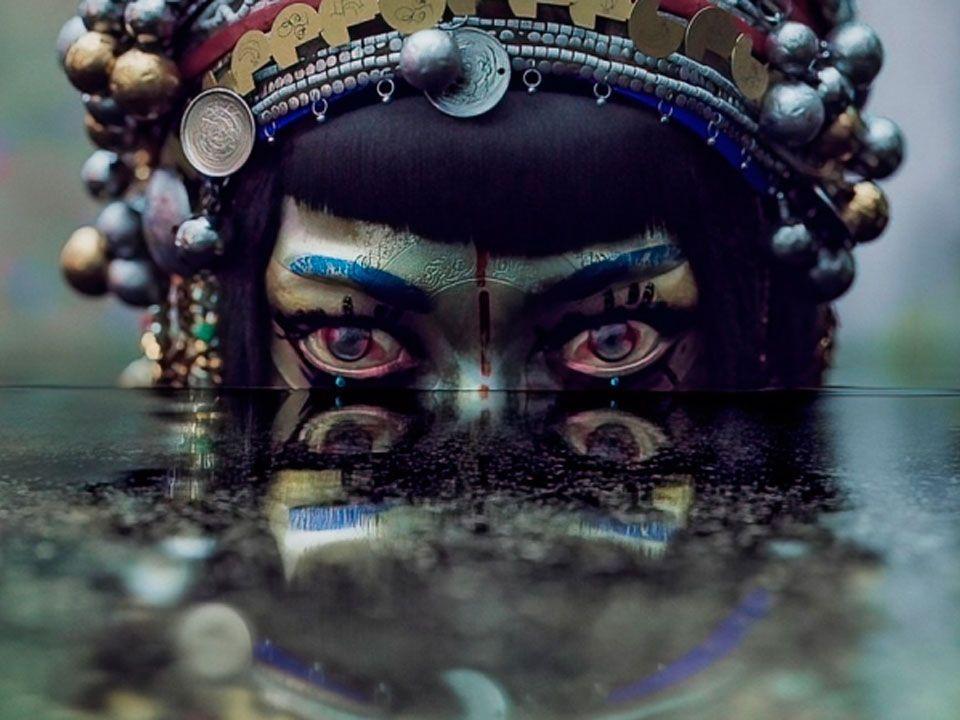
Hikâye, ormanlık bir bölgede ilerleyen bir grup şövalyenin karşılaştıkları gizemli bir kadınla başlar. Gölün içinde yaşayan, bedeni altın ve değerli taşlarla kaplı bu kadın, çıkardığı çığlıklarla şövalyeleri etkisi altına alır. Sesinin etkisiyle kendilerini kaybeden şövalyeler göle sürüklenerek hayatlarını kaybeder. Ancak aralarındaki bir şövalye sağır olduğu için bu çağrıdan etkilenmez ve hayatta kalır.
Kadın ile sağır şövalye arasında başlayan yakınlaşma, zamanla arzu, sahip olma ve ihanet üzerinden şekillenir. Şövalyenin kadının bedenindeki altınları ele geçirme isteği, ilişkinin şiddet dolu bir karşılaşmaya dönüşmesine neden olur. Böylece başlangıçta gizemli ve etkileyici görünen karşılaşma, insanın kendi çıkarları doğrultusunda başka bir varlığı nasıl sömürebildiğini ortaya koyar.
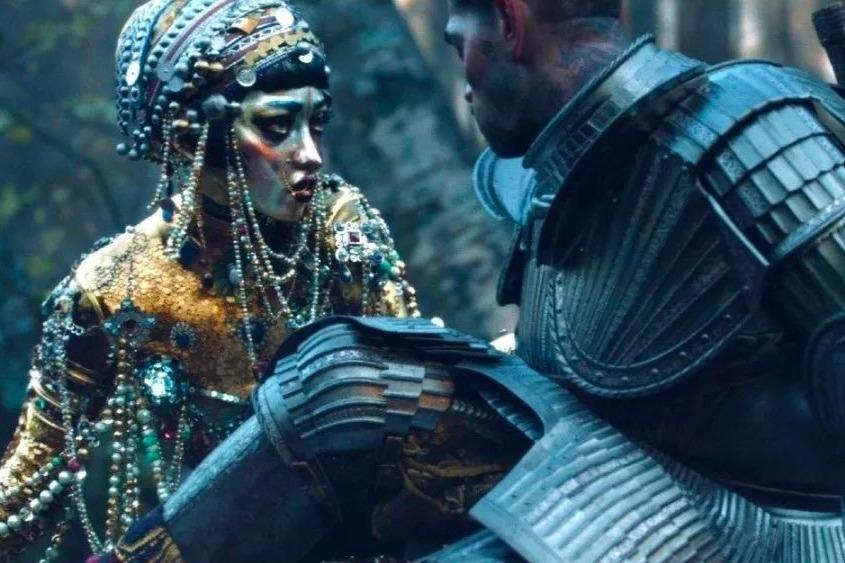
Animasyonun merkezinde yer alan altınlarla kaplı kadın karakter, hikâyenin en güçlü sembollerinden biridir. Altınlar ilk bakışta güzelliği, zenginliği ve ihtişamı temsil ederken, anlatının ilerleyen bölümlerinde sahip olma arzusunun nesnesine dönüşür.
Kadının bedeninden altınların zorla sökülmesi, yalnızca bireysel bir şiddet eylemi olarak değil, doğanın ve değerli kaynakların insan tarafından yağmalanmasının bir temsili olarak da okunabilir. Bu noktada altın, sömürgecilik tarihine gönderme yapan önemli bir imgeye dönüşür. Özellikle Amerika kıtasının Avrupalı fatihler tarafından sömürgeleştirilmesi ve doğal kaynaklarının ele geçirilmesiyle kurulan ilişki, animasyonun alt metnini güçlendirir.
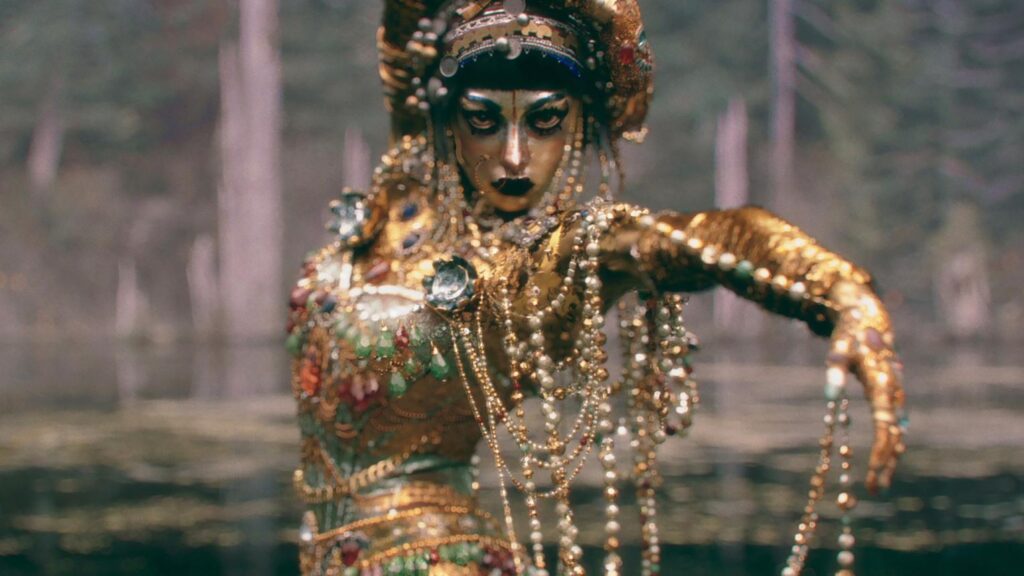
Hikâyenin temel çatışmasını oluşturan sağır şövalye, sembolik açıdan oldukça önemli bir karakterdir. Kadının sesi diğer şövalyeleri etkisi altına alırken onun sağır olması, başlangıçta bir korunma biçimi olarak karşımıza çıkar. Ancak bu durum, kadını gerçekten anlayabildiği anlamına gelmez.
Şövalye kadının sesini duyamaz fakat üzerindeki altınları görebilir. Kadının varlığından çok onun sahip olduğu değerli nesnelere yönelmesi, karakterin açgözlülüğünü ve sahip olma arzusunu görünür kılar. Bu açıdan sağır şövalye, insanın kendi çıkarları söz konusu olduğunda doğaya ve başka bir varlığa karşı geliştirdiği duyarsızlığın sembolü olarak yorumlanabilir.
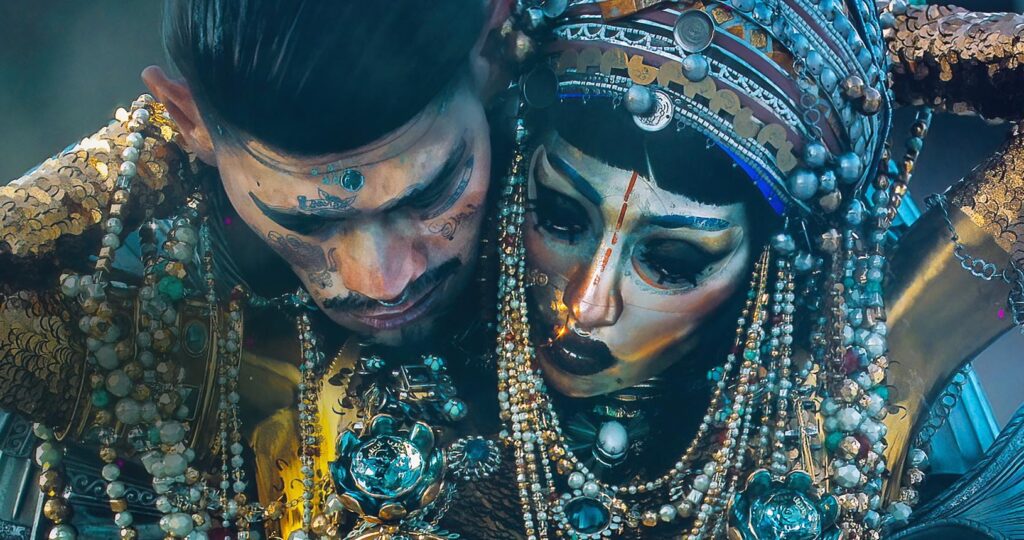
Animasyon boyunca göl ve su, yaşam ile ölüm arasında kurulan ilişkinin merkezinde yer alır. Kadının yaşadığı göl, onun gücünün ve varlığının kaynağıdır. Şövalyelerin suya sürüklenmesi ise doğanın insan üzerindeki kontrolünü gösterir.
Kadının bedeninden akan kanın suya karışması, uğradığı şiddetin doğaya yayılan bir izine dönüşür. Finalde şövalyenin bu sudan içmesiyle işitme duyusunu yeniden kazanması, hikâyenin dönüm noktasıdır. Başlangıçta kendisini koruyan sağırlık ortadan kalkar ve şövalye kadının sesinin etkisine açık hâle gelir. Bu sahne, insanın doğaya karşı gerçekleştirdiği müdahalelerin sonuçlarından kaçamayacağı şeklinde yorumlanabilir.
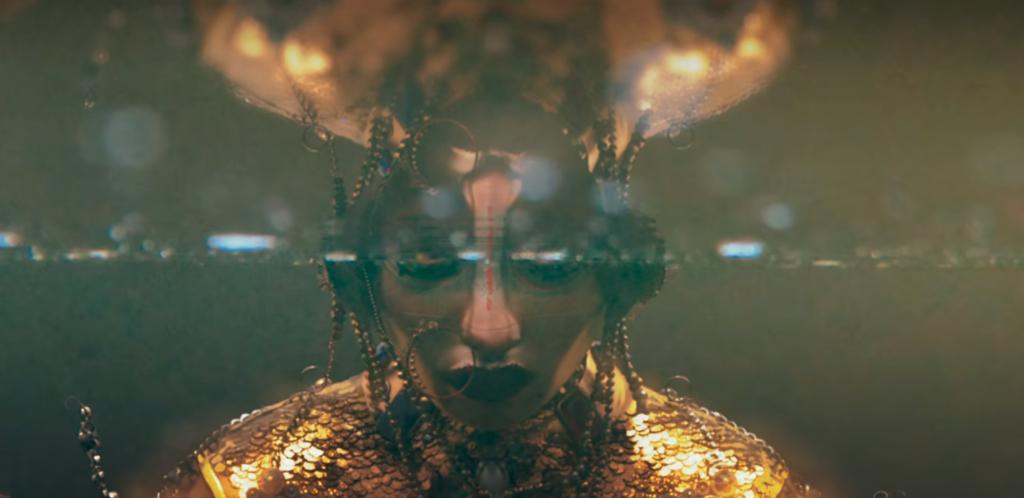
Final sahnesinde şövalye, kadının bedeninden söktüğü altınlarla uzaklaşmaya çalışırken onun kanının karıştığı sudan içer ve işitme duyusunu yeniden kazanır. Kadının çığlığını artık duyabilmektedir. Ancak bu kez kendisini koruyamaz ve gölde hayatını kaybeder.
Bu son, şövalyenin kendi açgözlülüğünün sonucuyla karşılaşması olarak okunabilir. Kadının bedenine verdiği zararın ardından onun sesinin etkisi altına girmesi, sömürünün ve şiddetin kendi yıkımını da beraberinde getirdiğini düşündürür.
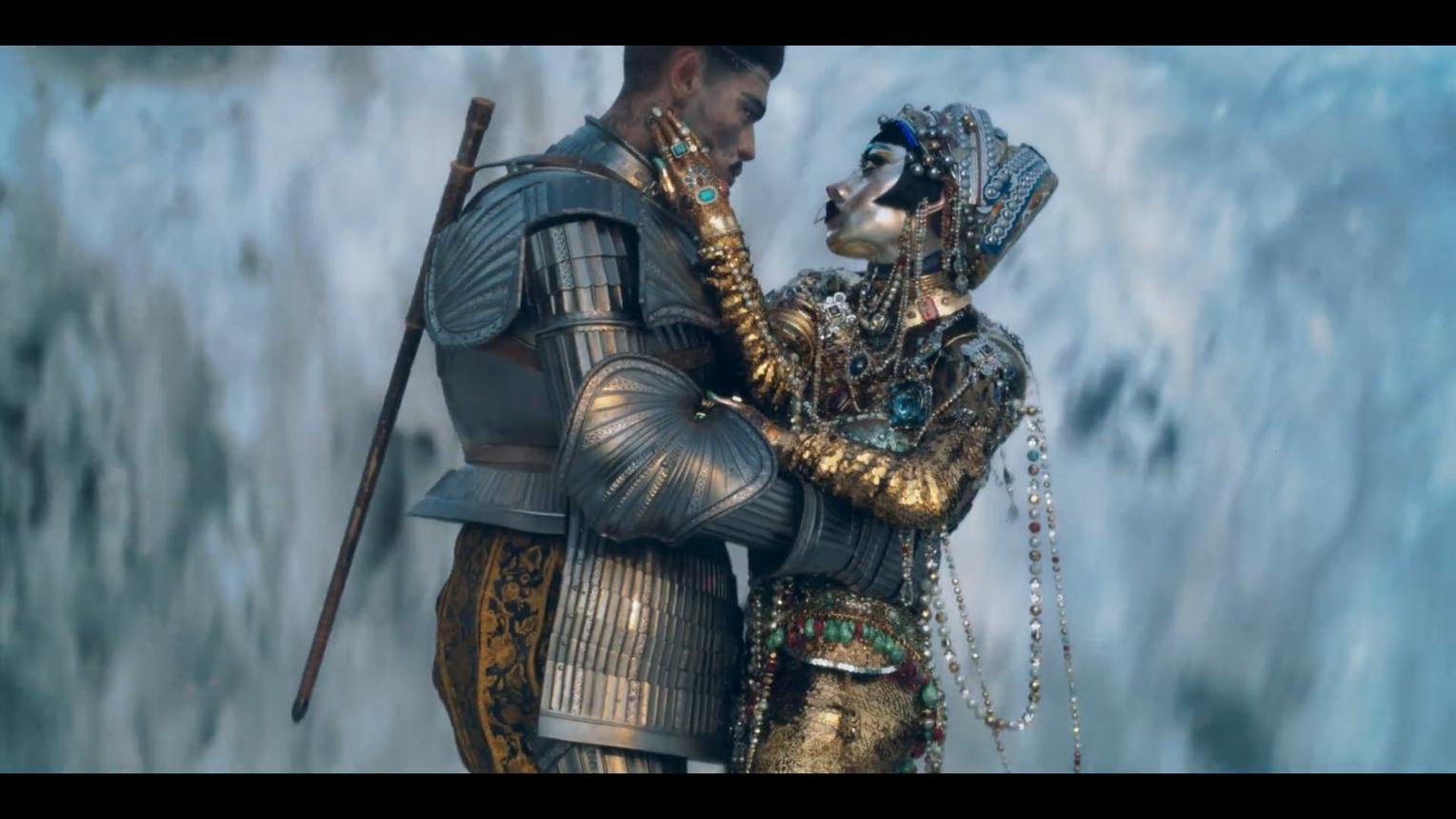
Jibaro, yalnızca iki karakter arasındaki toksik bir ilişkiyi değil, insan ile doğa arasındaki sömürücü ilişkiyi de ele alır. Altınlarla kaplı kadının bedeni, sahip olunmak istenen doğayı; sağır şövalye ise bu sahip olma arzusuyla hareket eden insanı temsil eder. Eser, güzellik ve zenginlik arayışının ardında gizlenen şiddeti görünür kılarak izleyiciyi insanın doğayla ve diğer varlıklarla kurduğu ilişkiyi yeniden düşünmeye davet eder.
Jibaro’nun geride bıraktığı temel soru şudur: İnsan, sahip olmak istediği şeyin güzelliğini gerçekten görebilir mi, yoksa onu elde etme arzusu içinde yok mu eder?
kaynakçalar
https://deadline.com/2022/06/alberto-mielgo-love-death-robots-jibaro-animation-dialogue-1235039230
Jibaro: The Story of Desire, and Exploitation
Love, Death + Robots | Season 3, Episode 8 | 2022
Directed and written by Alberto Mielgo, Jibaro is a short animated film featured in the third season of Netflix’s anthology series Love, Death + Robots. Standing out for its visual storytelling and symbolic language, the approximately 17-minute film reaches its audience through body movements, sound, color, and imagery rather than conventional narrative techniques. With almost no dialogue, every visual element becomes part of the story’s deeper layers of meaning.
The story begins with a group of knights traveling through a forested region. They encounter a mysterious woman living in a lake, whose body is covered in gold and precious stones. Through her piercing screams, she mesmerizes the knights, driving them into a state of madness and ultimately dragging them into the lake, where they meet their deaths. However, one knight survives because he is deaf and therefore unaffected by her call.
A strange connection develops between the woman and the deaf knight, gradually evolving into a relationship shaped by desire, possession, and betrayal. The knight’s growing desire to take the gold covering the woman’s body transforms their encounter into a violent confrontation. What initially appears to be a mysterious and captivating connection eventually reveals how human beings can exploit another living entity for their own benefit.
At the center of the animation, the woman covered in gold serves as one of its most powerful symbols. At first glance, the gold represents beauty, wealth, and magnificence. As the story progresses, however, it becomes an object of possession and greed.
The forced removal of gold from the woman’s body can be interpreted not merely as an act of individual violence, but also as a representation of humanity’s exploitation of nature and the plundering of valuable natural resources. In this context, gold becomes an important image that alludes to the history of colonialism. The connection to the colonization of the Americas by European conquerors and the seizure of their natural resources further strengthens the film’s underlying message.
The plundering of the woman’s body offers a critical perspective on the way nature is reduced to its economic value and treated as a resource to be exploited.
The deaf knight, who represents the central conflict of the story, is particularly significant from a symbolic perspective. While the woman’s voice affects all the other knights, his deafness initially appears to protect him. However, this does not necessarily mean that he is capable of truly understanding her.
Although the knight cannot hear the woman’s voice, he can see the gold covering her body. His attention is directed not toward the woman herself, but toward the valuable objects she possesses. This reveals his greed and desire for ownership. From this perspective, the deaf knight can be interpreted as a symbol of humanity’s indifference toward nature and other living beings whenever personal interests are involved.
Throughout the animation, the lake and water occupy a central position in the relationship between life and death. The lake where the woman lives is the source of her power and existence. The knights being dragged into the water demonstrates nature’s ability to exercise control over human beings.
The blood flowing from the woman’s wounded body and mixing with the water becomes a lasting mark of the violence inflicted upon her. When the knight drinks from this water toward the end of the film, he regains his hearing. This moment marks a turning point in the story. The deafness that initially protected him disappears, leaving him vulnerable to the woman’s voice. This scene can be interpreted as a suggestion that humanity cannot escape the consequences of its interventions against nature.
One of the most remarkable aspects of Jibaro is its ability to tell a story through movement and sound rather than words. The woman’s dance, screams, and bodily movements are not merely aesthetic elements; they also function as expressions of power, desire, fear, and communication.
Director Alberto Mielgo takes advantage of the expressive power of body movements throughout the animation. The relationships between the characters are conveyed through the rhythm of dance and camera movements. In particular, the fast and disorienting camera movements create a sense of confusion and uneasiness in the viewer. As a result, the audience does not simply follow the story but also becomes immersed in the chaos experienced by the characters.
The combination of gold, red, and dark natural tones further strengthens the atmosphere. Gold evokes magnificence and desire, while red symbolizes blood, passion, and violence.
In the final scene, the knight attempts to escape with the gold he has taken from the woman’s body. However, after drinking the water mixed with her blood, he regains his hearing and becomes capable of hearing her scream. This time, he can no longer protect himself and ultimately dies in the lake.
This ending can be interpreted as the knight facing the consequences of his own greed. After inflicting damage upon the woman’s body, he becomes vulnerable to the very voice he had previously been protected from. This suggests that exploitation and violence inevitably bring about their own destruction.
Jibaro explores not only a toxic relationship between two characters but also the exploitative relationship between humanity and nature. The woman’s golden body represents nature as something humanity desires to possess, while the deaf knight represents human beings driven by this desire for ownership. By exposing the violence hidden behind the pursuit of beauty and wealth, the film invites viewers to reconsider humanity’s relationship with nature and other living beings.
The fundamental question Jibaro leaves behind is this: Can human beings truly appreciate the beauty of something they desire to possess, or do they end up destroying it in their pursuit of ownership?
Share this content:

Yorum gönder