



Don Kişot: Gerçekliğin Sınırlarında Bir İsyan
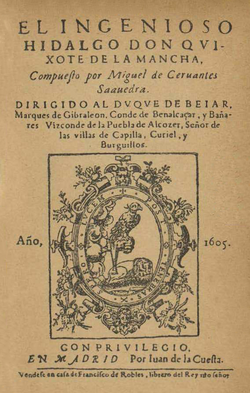
Miguel de Cervantes’in Don Kişot romanı, ilk bakışta gerçeklikle bağını koparmış bir adamın maceralarını anlatıyor gibi görünse de derininde insanın hayalleri, inançları, idealleri ve gerçeklik arasındaki çatışmayı sorgulayan güçlü bir anlatı barındırır.
Don Kişot, sıradan dünyanın sınırlarını kabul etmeyen, kendi zihninde kurduğu başka bir gerçekliğin peşinden giden bir karakterdir. Yel değirmenlerini dev olarak görmesi, yalnızca bir yanılgı değil; dünyayı olduğu gibi kabul etmeyi reddeden bir bakışın sembolüdür. Onun mücadelesi, nesnel gerçeklikle bireyin iç dünyasında kurduğu gerçeklik arasındaki gerilimi görünür kılar.
Bence eseri yalnızca bir şövalyenin gerçeklikten kopuşu olarak ele almak yerine, insanın kendi gerçekliğini yaratma çabası, idealleri uğruna dünyayla çatışması ve hayal ile hakikat arasındaki sınırın belirsizleşmesi üzerinden değerlendirmek daha doğru olur diye düşünüyorum.
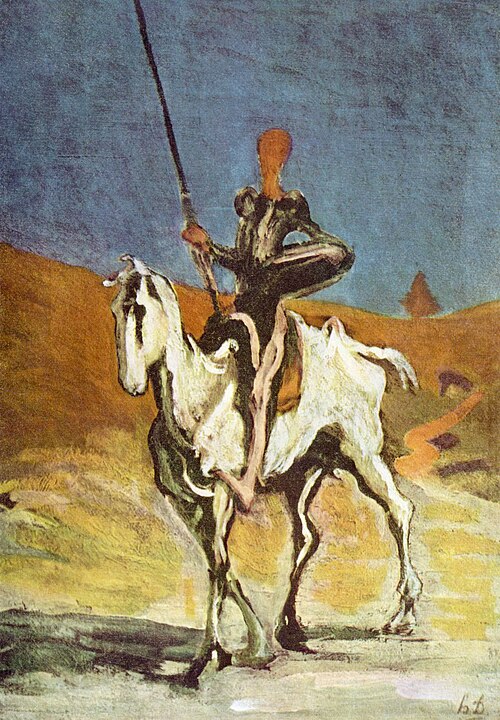
Honore Daumıer: Don Kişot ve Sancho
Don Kişot’un yel değirmenlerini dev sanması, eserin en güçlü metaforlarından biridir.İnsan, dünyayı olduğu gibi değil, kendi zihninde anlamlandırdığı biçimde görebilir.Görünen nesne ile ona yüklenen anlam birbirinden ayrılır. Bir değirmen yalnızca değirmen olmaktan çıkar, insanın zihnindeki bir düşmana dönüşür.İnsan bazen gerçekliğe değil, kendi ideallerine, korkularına ve inançlarına karşı savaşır.Diğer bir örnek;Don Kişot eski bir zırh kuşanır ve kendisine şövalye kimliği yaratır.Bu yalnızca bir kostüm giyme eylemi değildir. Kendisini yeniden tanımlama, sıradan hayatın dışına çıkma ve başka bir varoluş biçimi kurma girişimidir.Bir diğer örnek Don Kişot’un yaşlı ve güçsüz atı Rosinante, onun büyük şövalyelik hayalleriyle fiziksel gerçekliği arasındaki çelişkiyi temsil eder.Burada çok güzel bir sanatsal karşıtlık var: Büyük idealler taşıyan, fakat bu idealleri gerçekleştirecek gücü sınırlı bir beden.
Romanın önemli karakterlerinden Sancho Panza ise daha çok somut gerçekliğin, gündelik yaşamın ve aklın temsilcisidir. Bu iki karakter arasındaki ilişki, insanın kendi içinde taşıdığı karşıtlıkları da düşündürür: Hayal etmek ile kabullenmek, inanmak ile sorgulamak, düşlemek ile yaşamak.Don Kişot’un asıl trajedisi, hayallerinin gerçek olmaması değil, gerçek dünyanın onun hayallerine yer açmamasıdır. Belki de bu nedenle karakter, yüzyıllar geçmesine rağmen hâlâ güncelliğini korur. Çünkü insan, var olduğu dünyayla yetinmeyip olması gerektiğine inandığı başka bir dünyanın arayışını sürdürür.
Don Kişot bize şu soruyu bırakır: Bir insanın dünyayı yanlış görmesi mi daha büyük bir yanılgıdır, yoksa dünyanın değişebileceğine inanmayı bırakması mı?
Don Quixote: A Rebellion at the Boundaries of Reality
Miguel de Cervantes’ novel Don Quixote may initially seem to tell the adventures of a man who has lost touch with reality. However, beneath the surface, it offers a profound exploration of the conflict between human dreams, beliefs, ideals, and reality.Don Quixote is a character who refuses to accept the boundaries of the ordinary world and pursues an alternative reality constructed within his own mind. His perception of windmills as giants is not merely a misconception; it is a symbol of a perspective that refuses to accept the world as it is. His struggle reveals the tension between objective reality and the reality an individual constructs within their inner world.
I believe it would be more meaningful to approach the novel not simply as the story of a knight who has lost touch with reality, but rather through the human effort to create one’s own reality, the conflict with the world in pursuit of one’s ideals, and the increasingly blurred boundaries between imagination and truth.Don Quixote’s perception of windmills as giants is one of the most powerful metaphors in the novel. Human beings do not always see the world as it is, but rather as they interpret it through their own minds. The visible object and the meaning attributed to it become two separate things. A windmill ceases to be merely a windmill and transforms into an enemy within the human imagination. Sometimes, people are not fighting against reality itself, but against their own ideals, fears, and beliefs.
Another example is Don Quixote’s decision to put on an old suit of armor and create a knightly identity for himself. This is not merely an act of wearing a costume. It is an attempt to redefine himself, escape the boundaries of ordinary life, and construct an entirely different way of existing.Another significant example is Don Quixote’s old and weak horse, Rocinante, which represents the contradiction between his grand ideals of chivalry and physical reality. There is a striking artistic contrast here: a body with limited strength carrying ideals of extraordinary magnitude.Sancho Panza, one of the novel’s central characters, represents a more concrete understanding of reality, everyday life, and reason. The relationship between these two characters also brings to mind the contradictions within human nature: imagining and accepting, believing and questioning, dreaming and living.
The real tragedy of Don Quixote is not that his dreams are unreal, but that the real world leaves no room for them. Perhaps this is why the character remains relevant centuries later. Human beings continue to search for a different world, one that reflects not merely the world in which they exist, but the world they believe ought to exist.
Don Quixote leaves us with a question: Is it a greater illusion for a person to see the world incorrectly, or to stop believing that the world can change?
Share this content:

Yorum gönder